

In the early weeks of 2026, culture in the English-speaking world is grappling with nostalgia, emotional reinvention in music, and the reclamation of historic artistic legacies — each reflecting broader societal currents.
One of the most talked-about cultural phenomena emerging across social platforms this week is the rise of the “2026 is the new 2016” trend, a digital nostalgia wave swept through TikTok, Instagram and X. Users have been actively sharing photos, videos, and memories from 2016 — a year that, for many, evokes a moment just before the seismic shifts of the late 2010s. Analysts suggest this isn’t mere aesthetic play but a deeper yearning for a pre-pandemic cultural landscape less dominated by algorithm-driven content and generative AI saturation. The trend matches a broader pattern of cyclical cultural nostalgia that can shape fashion, music and online behavior, particularly among Gen Z and millennial cohorts who now find the relative simplicity of 2016 refreshing compared to the complexity of the present moment.
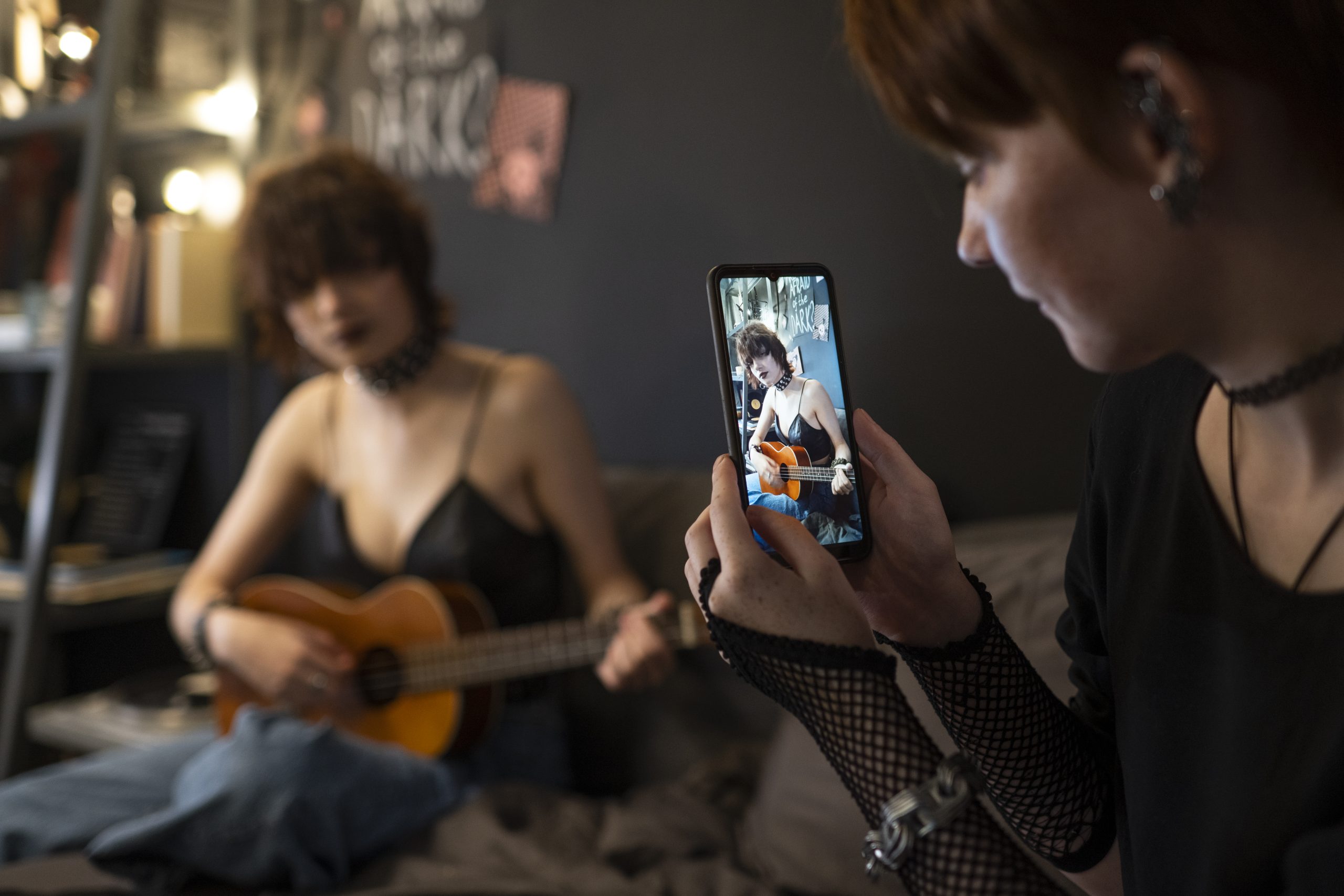
Meanwhile, in the world of music, critics and fans alike are observing an emotional turnaround in mainstream soundscapes. A Byrdie cultural analysis highlights the resurgence of deeply romantic, introspective music, often characterized by vulnerability and emotional honesty. Artists such as Laufey, Naomi Sharon and Olivia Dean are leading what some commentators describe as a “love-centered cultural moment,” drawing on nostalgia and themes of connection in contrast with the productivity-obsessed, performance-oriented music culture of recent years. Industry observers attribute this shift to listener fatigue with superficial engagement and a collective desire for deeper emotional resonance in art — a trend amplified by social media platforms that reward intimate, mood-driven content.
At the same time, cultural heritage and literary history are being reimagined outside traditional institutional frameworks. In Lowell, Massachusetts, the historic Saint Jean Baptiste Church — where Beat Generation icon Jack Kerouac was once an altar boy — is being transformed into a dedicated Kerouac cultural centre, thanks to a collaboration between the Kerouac Estate and musician Zach Bryan. The project aims to preserve the writer’s legacy while activating the space for concerts, readings and community engagement, recognizing Kerouac’s influence on generations of writers and artists since his death over five decades ago. Advocates describe the centre not just as a museum but as a living hub for creativity that bridges the Beat movement’s historical significance with contemporary artistic practices.
These three developments — digital nostalgia, emotional recalibration in music, and place-based cultural revival — illustrate how culture in 2026 is both backward-looking and forward-thinking. The past is serving as a touchstone for identity and meaning, yet cultural expression continues to evolve in ways that reflect real social and emotional currents. As audiences turn to nostalgia and emotional authenticity, the creative sectors are responding with renewed storytelling forms that privilege depth and connection, even in an era dominated by speed and algorithmic influence.
