

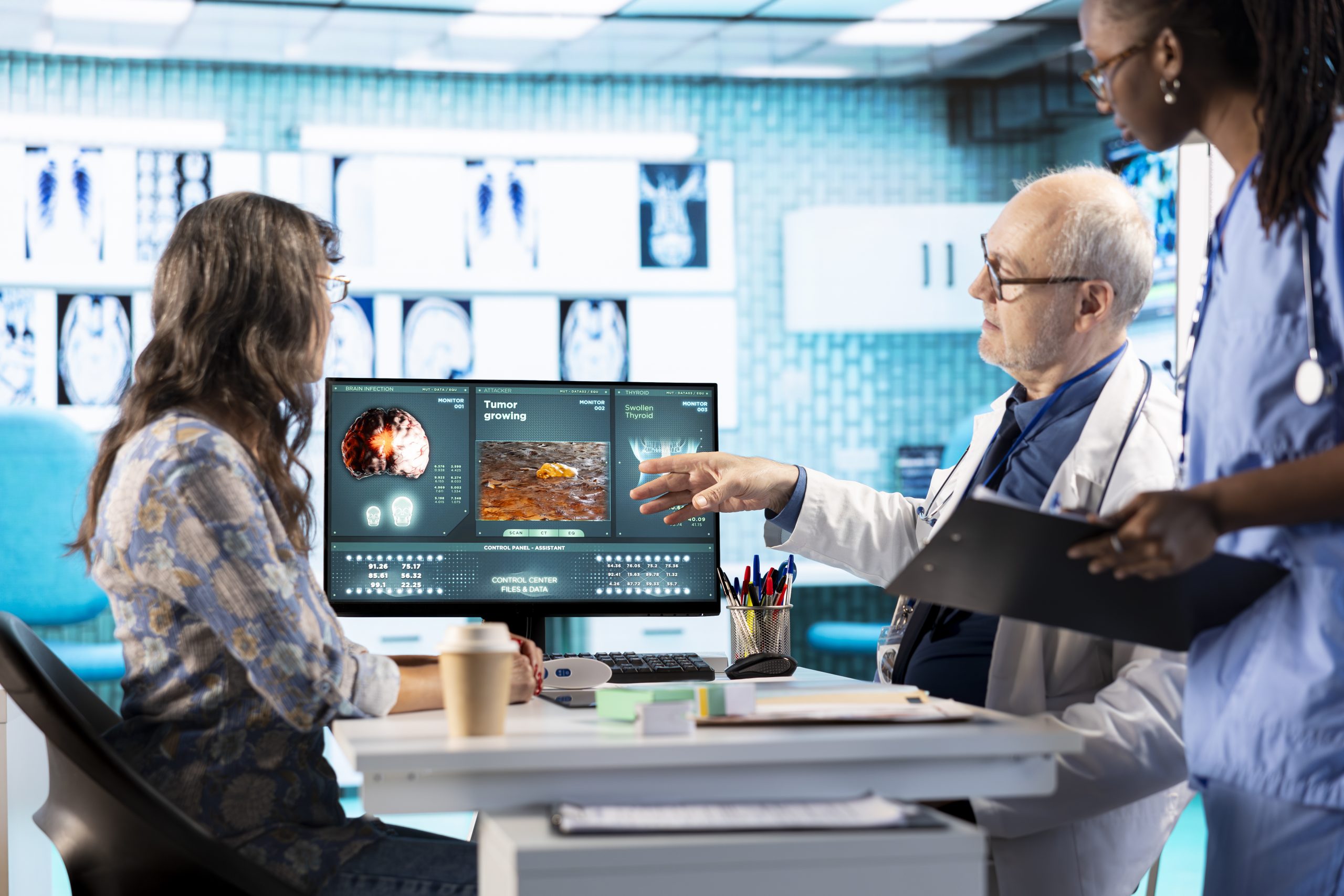
Healthcare systems around the world are increasingly shifting from reactive treatment toward proactive health management.
The rise of digital health technologies
Digital health tools allow doctors to monitor patients more effectively and identify potential health risks earlier. Electronic medical records, wearable health devices and telemedicine platforms help integrate medical data into continuous care systems.
Hospitals and research centres such as Mayo Clinic have adopted digital systems that allow physicians to analyse patient information more efficiently and coordinate treatment across departments.
These technologies can reduce medical errors and improve overall healthcare outcomes.
Artificial intelligence in diagnostics
Artificial intelligence is becoming an important tool in medical diagnostics. AI systems can analyse medical images, laboratory results and patient histories to identify patterns associated with disease.
Research initiatives supported by the National Institutes of Health explore how machine learning can assist doctors in detecting conditions such as cancer, cardiovascular disease and neurological disorders at earlier stages.
Early diagnosis significantly improves treatment success.
Telemedicine and remote healthcare
Telemedicine allows patients to consult physicians remotely using secure video communication platforms. This approach expands access to healthcare services for individuals living in rural areas or regions with limited medical infrastructure.
During global health crises, remote consultation systems have proven particularly valuable in maintaining continuity of care.
Preventive healthcare strategies
Public health institutions such as the World Health Organization emphasise preventive healthcare as a key strategy for improving population health. Preventive measures include vaccination programs, lifestyle interventions and early screening for chronic diseases.
By focusing on prevention, healthcare systems aim to reduce the long-term burden of illness.
Medicine in the digital century
Modern medicine increasingly relies on the integration of data, technology and clinical expertise. Physicians are supported by digital tools that provide deeper insights into human biology and disease progression.
These innovations may lead to more personalised and effective healthcare in the decades ahead.
