

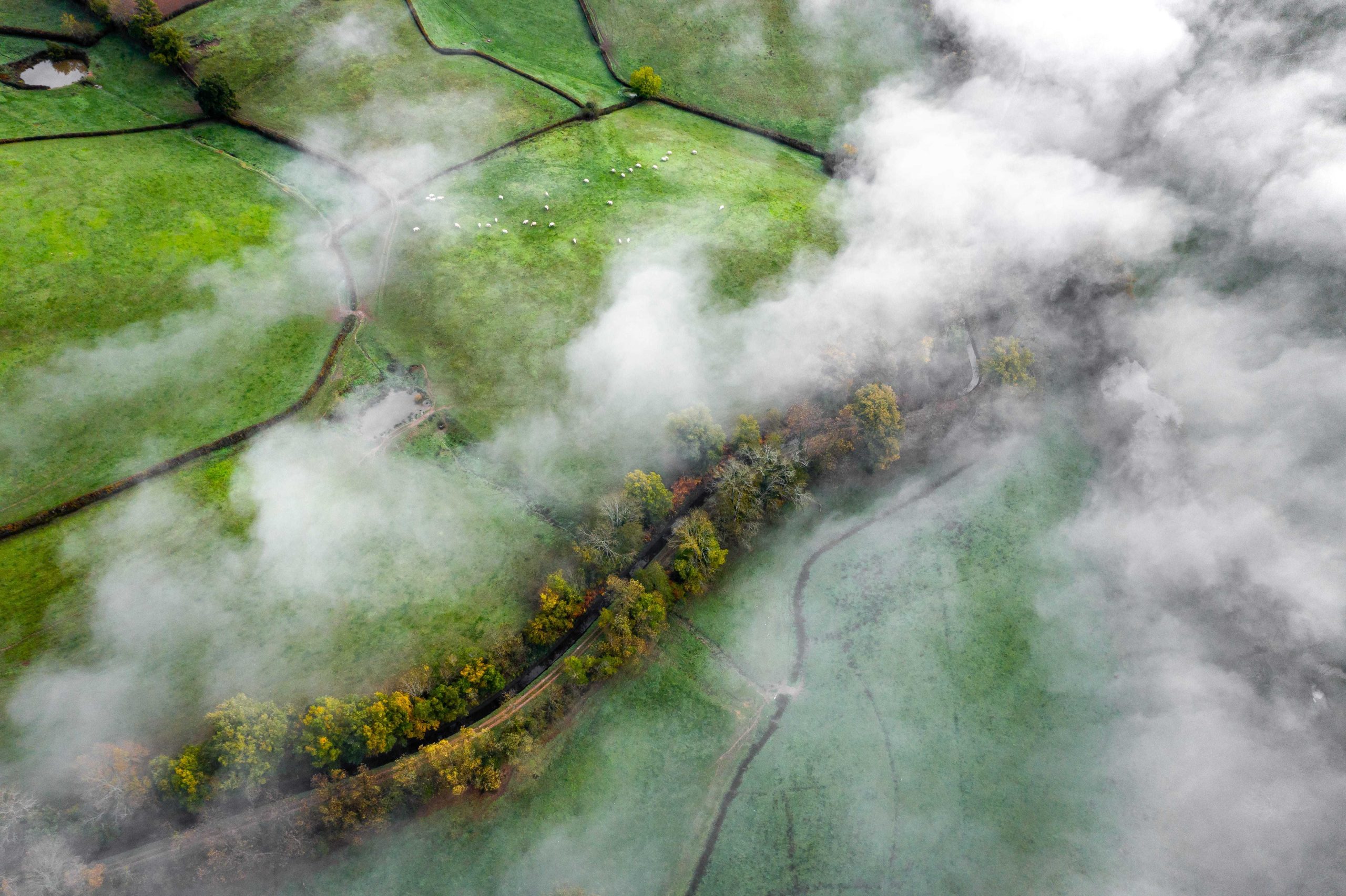
A comprehensive new evaluation of the state of nature across Europe reveals a complex picture: while advances in reducing pollution and expanding renewables offer cause for cautious optimism, biodiversity loss and climate impacts continue to threaten ecosystems and human well-being.
The report from the European Environment Agency (EEA), the continent’s authoritative environmental body, underscores progress on several fronts, including improvements in air quality and greater recycling rates. It also highlights that the European Union has cut greenhouse gas emissions and boosted renewable energy use, aligning with long-term climate goals.
However, the overall condition of nature remains deeply concerning. Habitats across terrestrial, freshwater and marine environments continue to degrade, driven by unsustainable land use, pollution and climate change. The study warns that, without accelerated action, key biodiversity targets agreed under the European Green Deal are unlikely to be met by 2030.
Water scarcity and stress pose another major challenge, affecting nearly one-third of Europe’s population and placing strain on aquatic ecosystems. With the continent warming faster than the global average, climate-related extreme events are expected to increase — amplifying risks to food security, infrastructure and economic stability.
EU officials emphasise that addressing these intertwined challenges requires stronger integration of environmental protection into broader economic and social policy. Jessika Roswall, the Commissioner for Environment, Water Resilience and a Competitive Circular Economy, described nature preservation as integral to a resilient and prosperous future, rather than simply a cost.
The report points to nature-based solutions — such as restoring wetlands, forests and other key landscapes — as essential for mitigating climate change impacts, supporting biodiversity and building long-term sustainability. Experts say that accelerating decarbonisation, improving resource efficiency and promoting circular economies will be critical for safeguarding Europe’s natural heritage and the services it provides.
Although the assessment highlights positive trends, its overarching message is clear: Europe has made strides in some environmental metrics, but the scale and pace of nature loss and climate impacts call for urgent, coordinated action if the region is to secure a healthy and resilient environment for future generations.
