

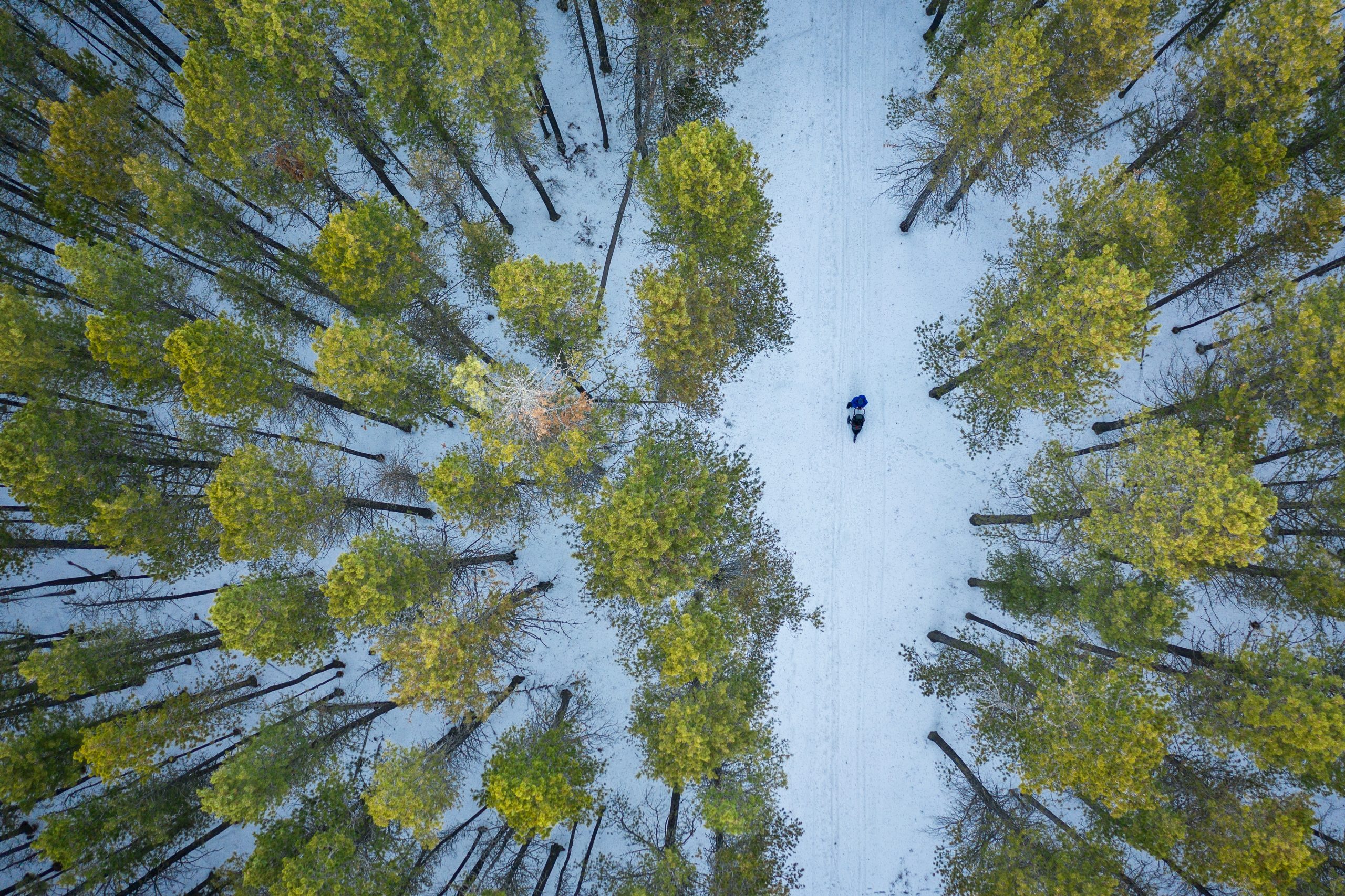
From rainforests and coral reefs to savannahs and polar regions, some of the world’s most vital ecosystems are undergoing rapid transformation. Scientists warn that without decisive global action, nature may reach irreversible tipping points within the next decade.
Forests Under Intensifying Pressure
Deforestation rates in parts of the Amazon, Southeast Asia, and Central Africa remain alarmingly high. Conservation analysts working with the World Wildlife Fund report that illegal logging, agricultural expansion, and mining continue to erode biodiversity hotspots essential for regulating global climate patterns.
Although reforestation projects are gaining momentum, experts say natural forests — with their unique genetic diversity — are irreplaceable. Once lost, their ecosystems cannot be fully restored.
Oceans Warm, Reefs Decline
Marine biologists warn that rising ocean temperatures are pushing coral reefs closer to collapse. Research teams supported by the National Oceanic and Atmospheric Administration have documented mass bleaching events across the Pacific and Indian oceans.
Reef systems, which support nearly a quarter of all marine species, are struggling to recover between increasingly frequent heatwaves. Some scientists are experimenting with assisted evolution — selectively breeding heat-resistant corals — but caution the approach is still experimental.
Wildlife Faces Fragmentation
Habitat fragmentation caused by urban expansion, road networks, and industrial development is reducing animal migration pathways. This threatens species such as elephants, wolves, and large cats, whose survival depends on wide-ranging territories.
Conservationists emphasise the need for international wildlife corridors — protected routes connecting ecosystems across borders. Countries collaborating through the Convention on Migratory Species are expanding efforts to map and secure these critical pathways.
Climate Change Redefines Seasons
Across Europe, North America, and Asia, scientists have recorded noticeable shifts in seasonal behaviour. Flowers bloom earlier, birds migrate sooner, and insect populations peak at unexpected times. These changes disrupt delicate ecological relationships, placing additional stress on pollinators, predators, and plant life.
Agricultural sectors are also impacted, with farmers reporting irregular growing seasons, unpredictable rainfall, and heightened vulnerability to pests.
Restoration Efforts Gain Global Momentum
Despite mounting challenges, large-scale restoration initiatives are emerging worldwide. Wetland recovery projects, river rewilding programs, and indigenous-led conservation models are showing promising results.
One example is the growing partnership between national governments and indigenous communities to restore degraded landscapes through traditional land-management practices. Findings show these approaches often outperform conventional conservation strategies.
Technology Offers New Hope
Advanced satellite monitoring, AI-powered species tracking, and environmental DNA analysis are enabling researchers to assess biodiversity with unprecedented accuracy. Scientists say these tools are crucial for prioritizing conservation efforts and detecting ecosystem changes early.
However, environmental groups stress that technology alone cannot protect nature — political will and sustained funding remain essential.
A Narrow Window for Action
Experts agree that the world is approaching a critical moment. Without decisive intervention, many ecosystems risk crossing thresholds beyond which recovery becomes impossible.
Yet the message is not purely one of crisis. Scientists emphasize that with coordinated global action — including conservation reform, climate mitigation, and sustainable land-use planning — nature’s resilience remains remarkable.
The coming decade, they say, will determine whether humanity preserves the planet’s biological heritage or witnesses the irreversible decline of the natural world.
