

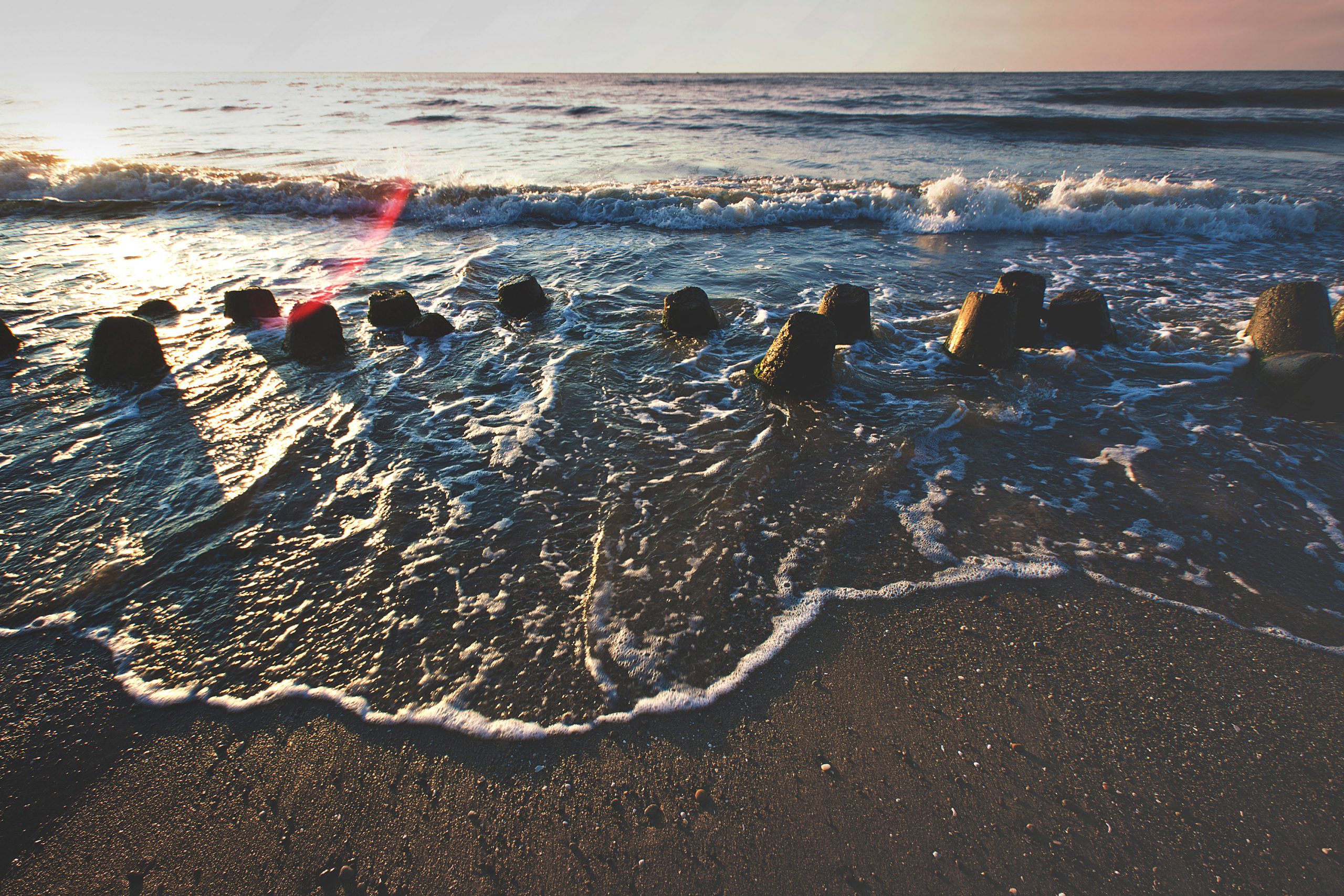
Marine scientists are raising alarms over the rapid rise of marine heatwaves, prolonged periods of unusually warm ocean temperatures that are increasingly disrupting ecosystems across the globe. New climate data show that these events are becoming more frequent, longer-lasting, and more intense, with serious consequences for marine life and coastal communities.
Researchers say ocean warming is now one of the clearest indicators of climate change, with seas absorbing the vast majority of excess heat trapped by greenhouse gas emissions. As a result, marine environments are changing faster than many species can adapt.
Coral Reefs at Breaking Point
One of the most visible impacts of marine heatwaves is widespread coral bleaching. Elevated water temperatures cause corals to expel the algae they rely on for food, leaving reefs weakened and vulnerable to disease.
In regions such as the Great Barrier Reef, repeated bleaching events have reduced coral cover and biodiversity, threatening fish populations and tourism-dependent economies. Scientists warn that without significant emission reductions, some reef systems may struggle to recover between heatwaves.
Disrupted Marine Food Chains
Warming oceans are also altering marine food webs. Fish species are migrating toward cooler waters, forcing fishing communities to adapt to shifting stocks and uncertain catches. In some areas, this has increased competition between nations over marine resources, raising concerns about future food security.
Plankton — the foundation of ocean ecosystems — is particularly sensitive to temperature changes. Shifts in plankton distribution can ripple upward, affecting everything from small fish to large marine mammals.
Economic and Environmental Consequences
Marine heatwaves are not only an ecological issue but an economic one. Coastal regions that depend on fishing and tourism are already experiencing losses linked to declining marine health. Insurance and disaster-risk experts also note that warmer oceans can intensify storms, increasing damage from hurricanes and cyclones.
Environmental groups stress that protecting marine ecosystems is closely tied to protecting human livelihoods, especially in island nations and coastal communities.
Global Efforts to Protect the Oceans
International initiatives are underway to expand marine protected areas and improve ocean monitoring systems. Scientists emphasize that reducing pollution, restoring coastal habitats, and limiting overfishing can help ecosystems become more resilient — but these measures alone are not enough.
The United Nations has repeatedly highlighted the need for stronger global cooperation, noting that ocean health is central to climate regulation, food systems, and planetary stability.
A Critical Decade Ahead
Experts agree that the coming years will be crucial for the future of the world’s oceans. While marine ecosystems have shown resilience in the past, the pace of warming is testing their limits. Without rapid action to curb emissions, scientists warn that marine heatwaves could become the new normal, reshaping ocean life for generations.
