

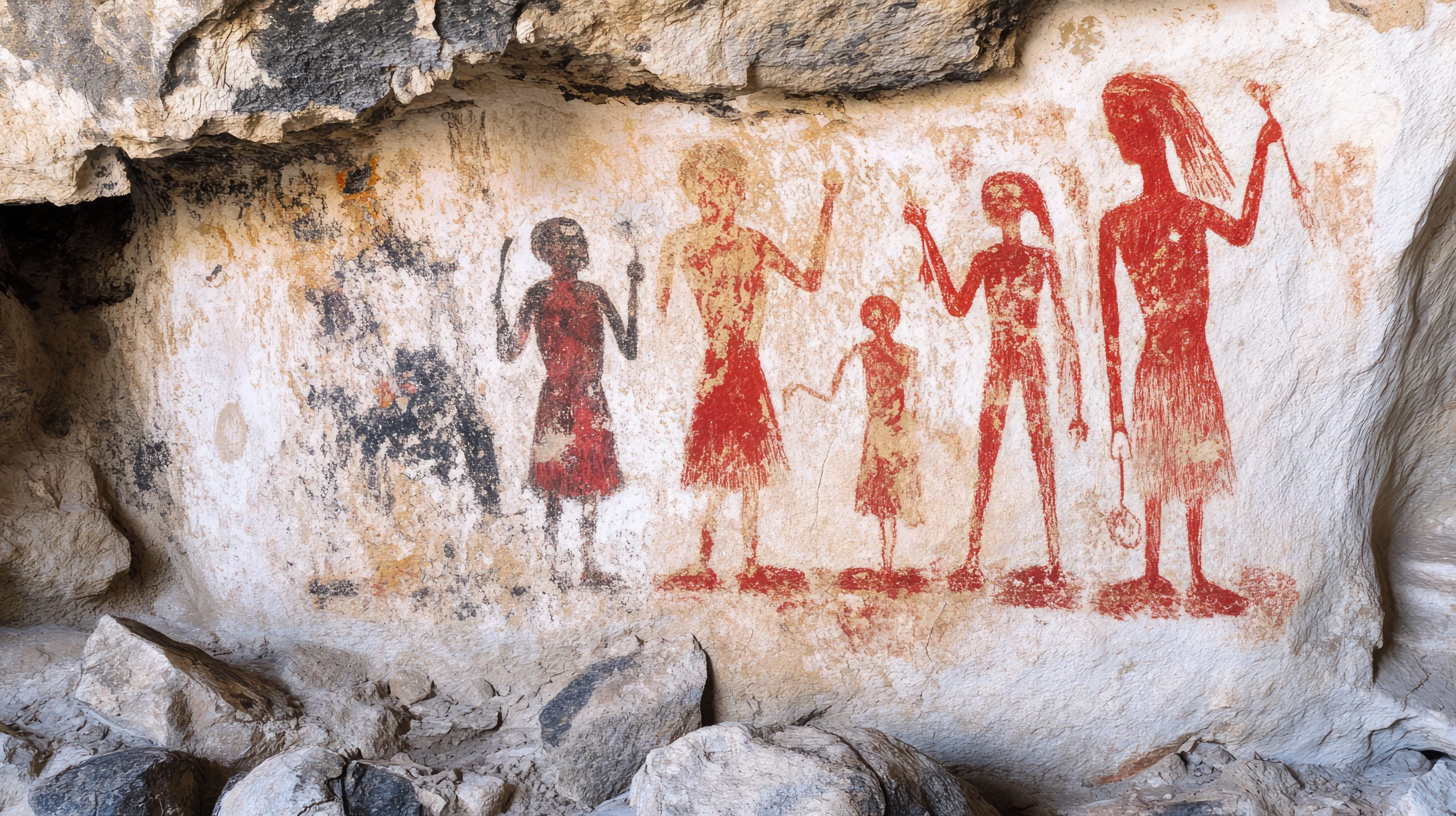
The collapse of ancient civilizations reveals patterns that help scholars understand the fragility of political and social systems.
Environmental pressures
Environmental changes have played a major role in the decline of some historical societies. Droughts, soil depletion and shifting climate patterns could undermine agricultural systems that supported large populations.
The ancient Maya civilization, for example, experienced periods of severe drought that contributed to the abandonment of major cities in Central America.
When food production declines, political and social stability often deteriorates.
Political instability and internal conflict
Civilizations can also weaken due to internal divisions. Power struggles among ruling elites, economic inequality and regional rivalries may destabilize governments.
The decline of the Roman Empire involved a combination of political fragmentation, economic strain and military pressures from external groups.
These internal challenges made it difficult for the empire to maintain control over its vast territories.
External threats and invasion
Some societies collapsed after facing sustained pressure from neighbouring groups or invading armies. Military defeat could destroy administrative structures and disrupt trade networks that supported economic prosperity.
Ancient cities and states often depended heavily on strong defensive systems to maintain stability.
Archaeology and historical investigation
Modern archaeological research provides valuable insights into the lives of ancient societies. Excavations reveal evidence about urban planning, trade networks, religious practices and technological development.
Institutions such as the Smithsonian Institution support archaeological projects that help historians reconstruct the past.
Lessons from history
The decline of ancient civilizations reminds historians that even highly advanced societies can face sudden change when environmental, economic and political pressures converge.
Studying these historical patterns provides valuable lessons about resilience, sustainability and the long-term stability of human societies.
