

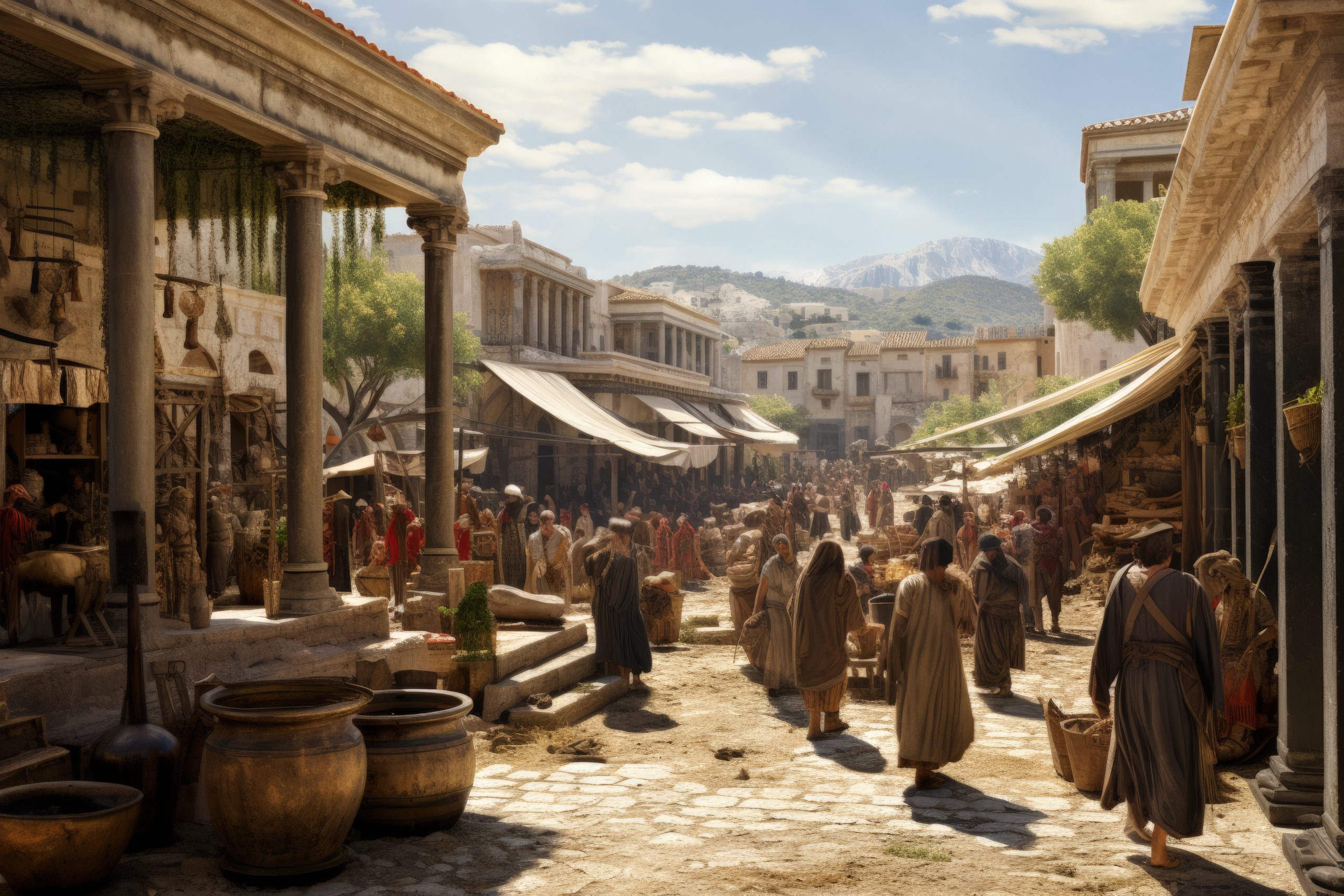
Throughout human history, powerful civilizations have emerged, flourished, and eventually declined. From Mesopotamia and Ancient Egypt to the Roman Empire, these societies shaped culture, governance, and technological progress in ways that still influence the modern world. Examining their rise and fall offers valuable insight into how human societies develop and why they sometimes fail.
Foundations of Early Civilizations
The earliest civilizations formed around fertile river valleys where agriculture could thrive. Access to water, predictable seasons, and trade routes allowed populations to grow and organize. As communities expanded, systems of governance, laws, and social hierarchies emerged to maintain order and manage resources.
Power, Expansion, and Control
Many civilizations expanded through military strength and territorial conquest. Empires such as Rome relied on disciplined armies, strategic infrastructure, and centralized authority to maintain control over vast regions. However, rapid expansion often created internal strain, making it difficult to govern distant territories effectively.
Economic Strength and Social Structure
A strong economy supported cultural development, public works, and military defense. Trade networks connected civilizations across continents, spreading goods, ideas, and technologies. At the same time, rigid social classes sometimes limited mobility and created inequality, leading to internal unrest.
Decline Through Internal and External Pressures
The collapse of civilizations rarely occurred due to a single cause. Most declined because of a combination of internal weaknesses and external threats. Political corruption, economic instability, environmental challenges, and invasions gradually weakened social cohesion and state authority.
Cultural Legacy and Historical Influence
Even after their fall, ancient civilizations left lasting legacies. Legal systems, architectural styles, philosophical ideas, and written languages continued to influence later societies. History shows that while empires may disappear, their ideas often survive and evolve.
Conclusion
The history of ancient civilizations reveals recurring patterns of growth, success, and decline. By studying these societies, modern cultures can better understand the importance of adaptability, balanced governance, and social unity. The past does not repeat itself exactly, but it often echoes in familiar ways.
