

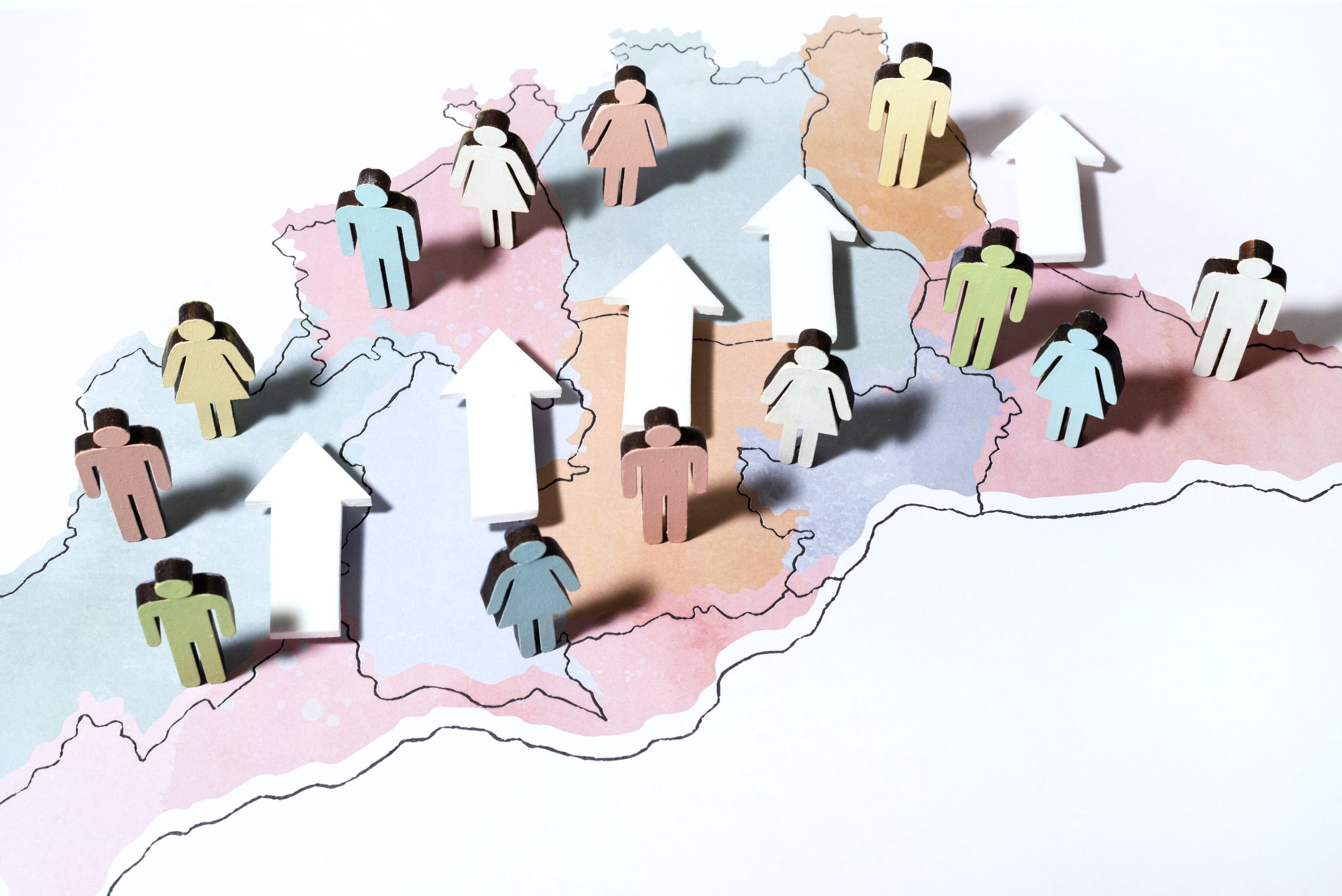
The world’s population is not just growing — it is changing in ways that could reshape economies, labour markets and social systems for decades to come.
One of the most significant trends is ageing in developed economies. Countries such as Japan and Germany are seeing a rising proportion of older citizens, putting pressure on healthcare systems, pensions and the workforce.
At the same time, parts of Africa are experiencing rapid population growth, with a large and increasingly young population entering the labour market. This demographic contrast is creating both opportunities and challenges on a global scale.
Economists say ageing societies may face slower economic growth and labour shortages, while younger regions could benefit from a “demographic dividend” — if jobs, education and infrastructure keep pace with population expansion.
Migration is likely to play a central role in balancing these trends. Some countries are already looking to immigration to offset workforce declines, though the issue remains politically sensitive.
Urbanisation is another key factor. More people are moving to cities, particularly in developing regions, increasing demand for housing, transport and public services.
Experts warn that these demographic shifts are unfolding gradually but will have long-term consequences. Governments may need to rethink policies on retirement, education and labour to adapt to changing population structures.
In the coming decades, how countries respond to these trends could determine their economic resilience and social stability in an increasingly interconnected world.
