

Archaeologists in Lincolnshire have uncovered the remains of a remarkably well-preserved Roman shrine, complete with altars, coins, and ritual deposits — a discovery experts say could reshape understanding of rural religious life during Roman Britain.
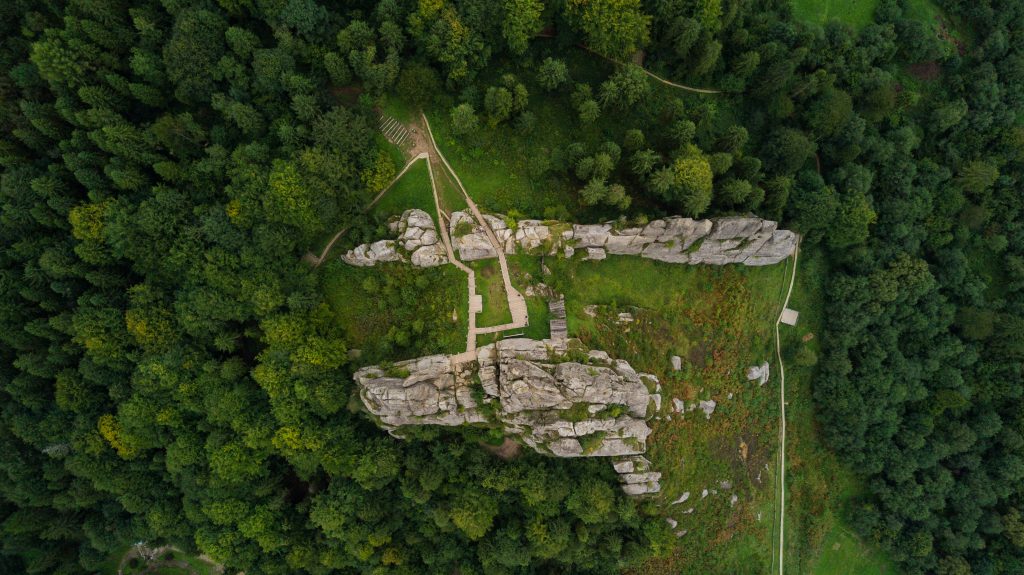
The find was made during a routine survey ahead of planned agricultural development near the village of Caistor. What began as a standard geophysical scan quickly revealed a rectangular structure with an unusually high concentration of metal signatures.
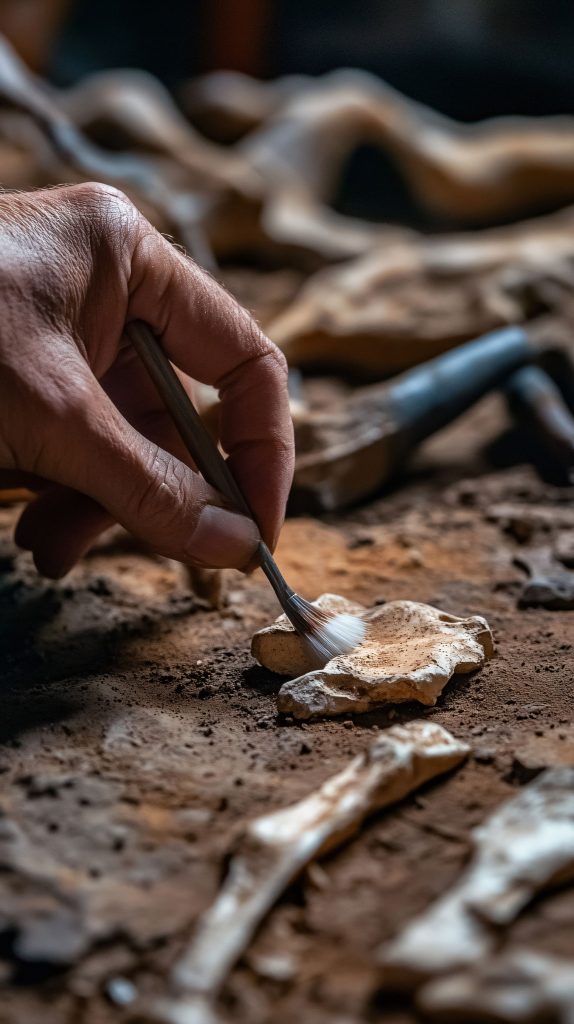
A team from the University of Leicester Archaeological Services (ULAS) was called in for a full excavation earlier this year.
Dr. Helen Travers, the project’s lead archaeologist, described the shrine as “exceptionally rare,” noting that similar rural religious sites are almost never found intact.
“We were expecting perhaps a villa outbuilding or a grain store,” she explained. “Instead, we uncovered a small but beautifully constructed sanctuary dating to the 2nd or 3rd century AD.”
Inside the shrine, researchers found:
- Two miniature stone altars, still standing upright
- More than 120 bronze and silver coins
- Fragments of ceramic figurines, including part of Minerva
- Arranged animal bones likely linked to ritual feasts
One of the most intriguing discoveries was a small lead tablet inscribed with a mixture of Latin and Celtic symbols — believed to be a defixio, or Roman curse tablet.
“This shrine shows a blending of Roman and native religious practices,” said Dr. Travers. “It’s a snapshot of cultural fusion during the Roman occupation — everyday people making offerings, asking for health, fortune, or divine intervention.”
Local landowner Andrew Miller, who reported the initial discovery, said he was “stunned” to learn what lay beneath his field. “You grow up hearing about Roman Britain, but you never expect something like this to be on your doorstep.”
The finds are currently undergoing conservation, with plans for a travelling exhibition planned for next year.
Lincolnshire County Council hopes the discovery will bring renewed attention to the region’s archaeological heritage. Further excavation is expected later this summer.
