

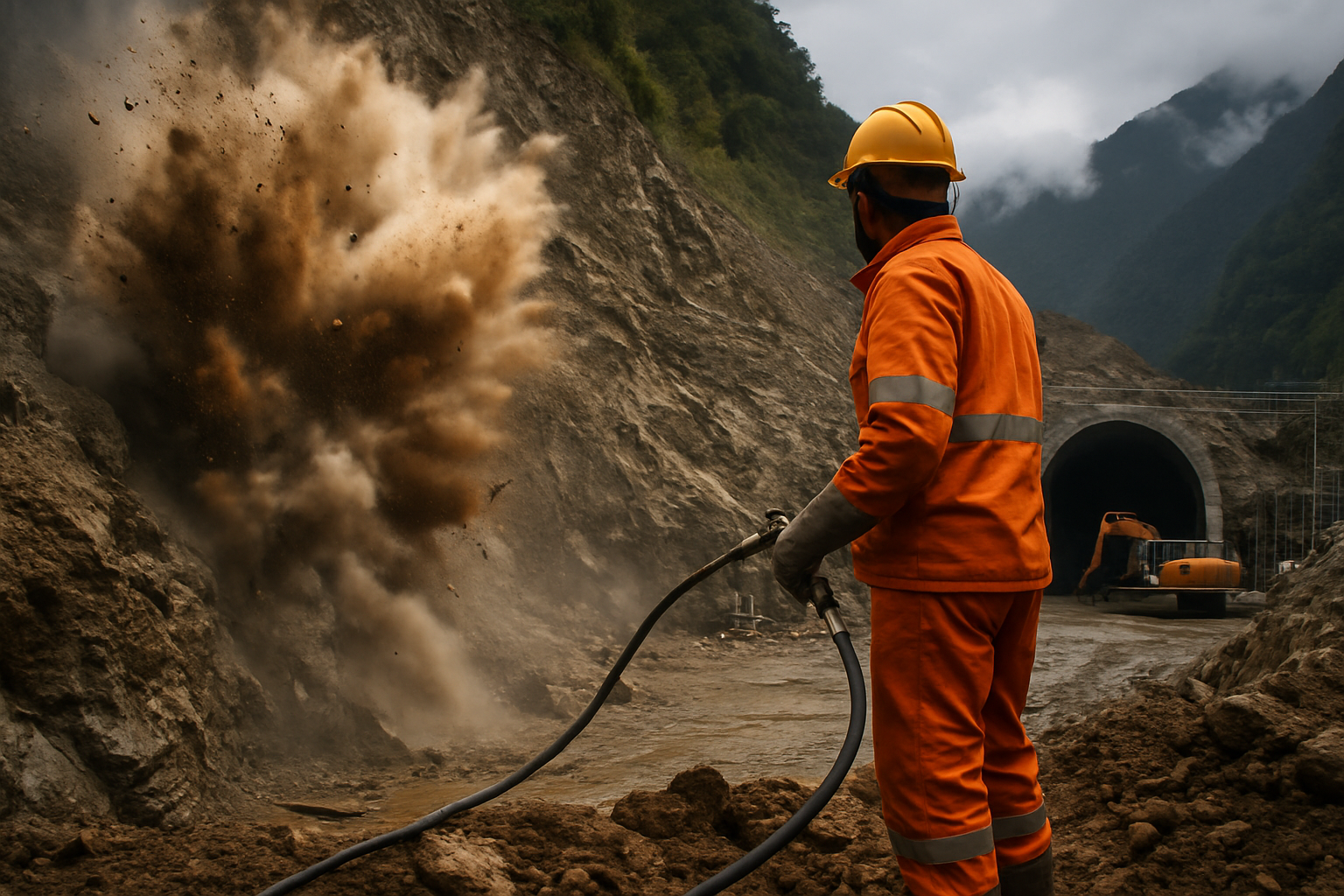
Rescuers in Nepal are using explosives to break through hillsides in an effort to reach workers believed trapped in mud-filled tunnels at hydropower projects along the Trishuli River, as the death toll from devastating flooding rose to 939.
Families of more than 600 workers are awaiting news of relatives thought to be inside the tunnel network. Rescue teams have been pumping air into the Trishuli-3A site while trying to locate access points, amid concern that the opportunity to find survivors is narrowing.
Nepal’s disaster management authority said 3,925 people remain missing, including 592 foreign nationals. About one in seven of those unaccounted for are believed to have been working at hydropower plants damaged by the floods. Prime Minister Balendra Shah said 279 people had been rescued from the project sites, while 11,379 people had been rescued overall.
Search complicated by altered landscape
The operation is being led by Chinese and Nepalese military personnel, with specialists from India, Korea and Australia also taking part. A team entered a tunnel leading to one of the plants on Monday but withdrew after finding no one inside, according to the report.
Australian engineer Arnold Dix, who has been assisting Nepalese authorities remotely with the underground search, said the flood had dramatically changed the terrain and made the tunnels difficult to identify. Once the locations of the power stations are confirmed, rescuers can determine how to reach them, including through excavation and the removal of large boulders, he said.
Dix said the underground environment may have offered some protection from the flooding, leaving a possibility that people could still be alive. Relatives have also expressed hope that oxygen systems inside the facilities could have helped those trapped.
Nepal has developed numerous hydropower projects along its mountainous rivers, relying heavily on the sector for energy. Authorities said at least 11 completed or unfinished hydropower projects were damaged in the flooding.
Temporary burials in Chitwan
Far downstream in Chitwan district, rivers have carried nearly 300 bodies to the banks, creating a separate challenge for local officials and medical teams. Volunteers and medical personnel have been collecting DNA samples from unidentified remains after temporary burial sites were prepared outside the city.
Ganesh Aryaal, the chief district officer, said a shortage of freezer capacity had left authorities overwhelmed and forced them to use temporary burials. He said relatives would still be able to recover remains after identification through DNA testing.
Across the border in Tibet, Chinese state media reported 16 deaths and 546 missing people. The report said flood footage had been heavily censored in China, where authorities have imposed administrative penalties on people accused of speculating online that casualty figures were higher than officially reported. Nepalese authorities have also ordered the removal of online material they consider flood misinformation.
Source: BBC News
