

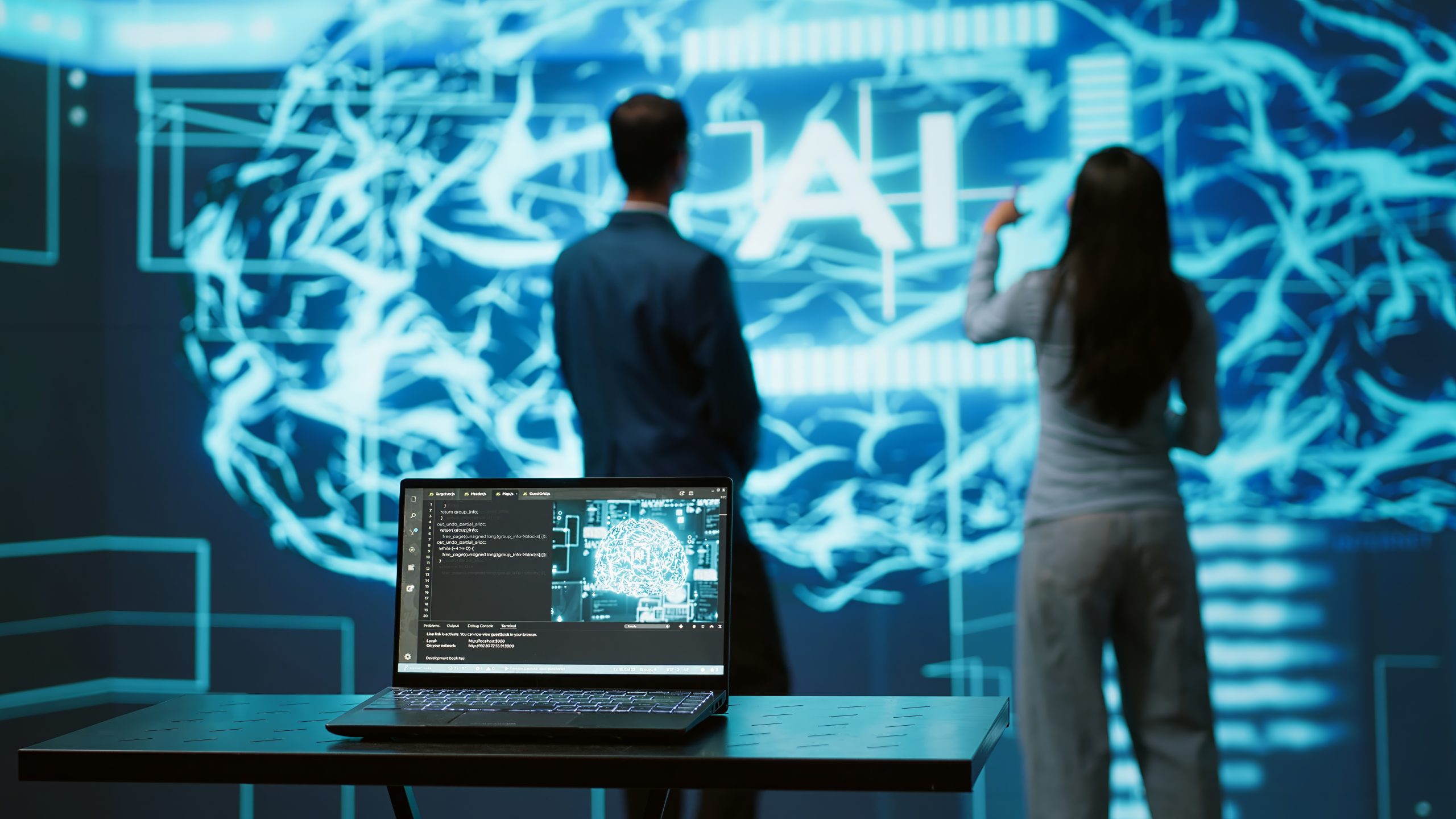
As artificial intelligence continues to advance, workplaces around the world are facing a profound transformation. From automating routine administrative tasks to assisting in complex decision-making, AI is being integrated faster than many anticipated, promising both productivity gains and disruption.
Tech companies and consultancies forecast that AI could augment millions of jobs, helping employees focus on creative, strategic, and interpersonal work. In sectors like healthcare, AI is already assisting with diagnostics and treatment planning, while in finance, it is streamlining risk analysis and fraud detection.
Yet the rapid pace of change has sparked debate. Labour economists warn that some roles, particularly in administration, transport, and customer service, could see significant reductions. “The question is not if AI will change the workplace, but how society manages the shift,” says Dr. Helena Morris, a researcher at the Institute for Future Work.
Policymakers are starting to respond. Governments in the EU and North America are considering frameworks for upskilling workers, protecting gig-economy employees, and regulating AI-driven decisions that impact livelihoods. Companies are exploring hybrid models, pairing AI tools with human oversight, aiming to balance efficiency with ethical responsibility.
Workers themselves are cautiously optimistic. Many see AI as a chance to reduce repetitive tasks and improve work-life balance, while others worry about job security and privacy. Trade unions have called for clearer rules on monitoring, accountability, and the right to refuse AI-driven performance evaluations.
As AI becomes more capable, the workplace of the future may be one where humans and machines collaborate, rather than compete — but the path there will require careful planning, dialogue, and policy intervention.
“Adaptation is key,” Morris adds. “Those who can learn to work alongside AI will thrive; those who cannot risk being left behind.”
