

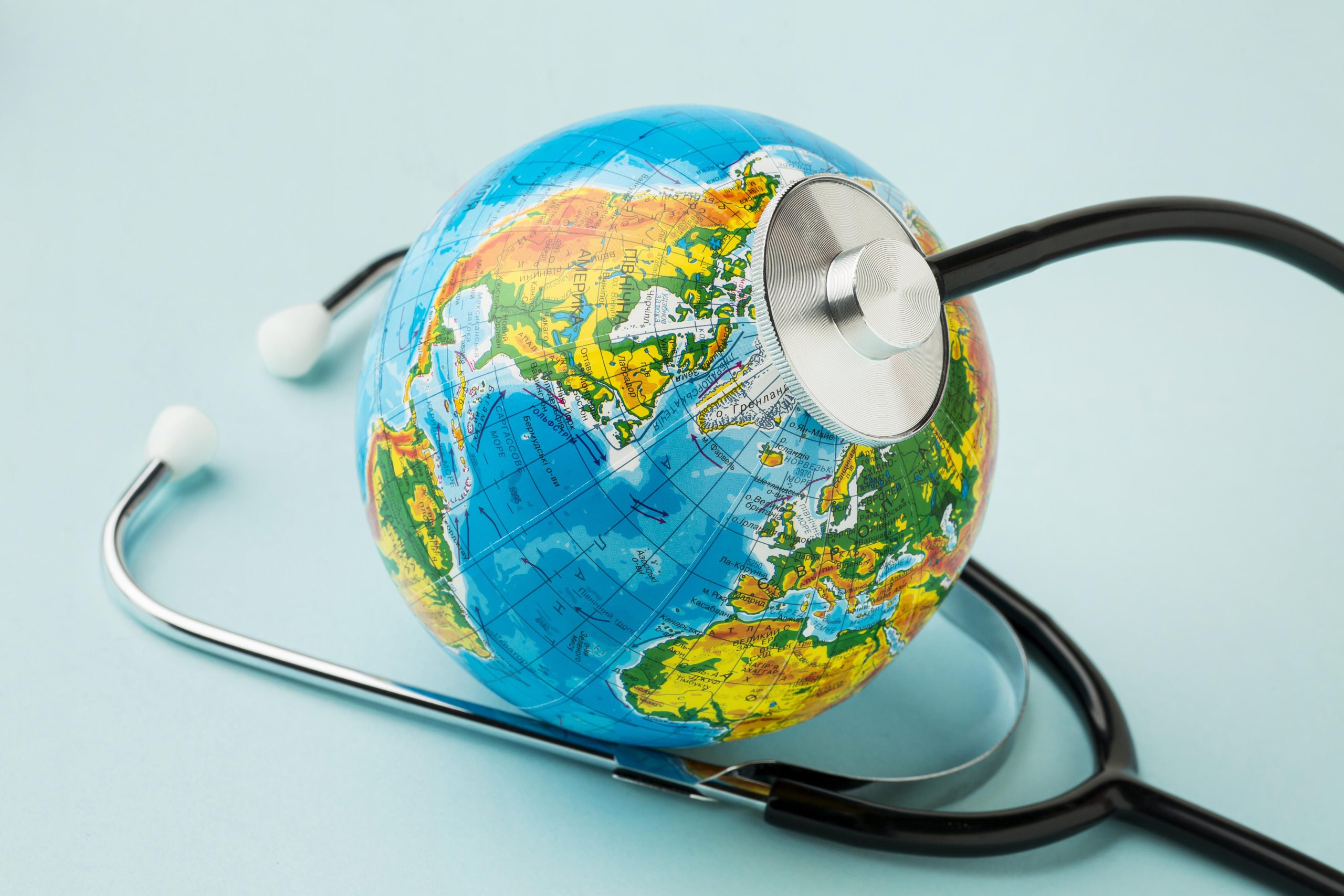
Health systems around the world are facing mounting pressure as chronic diseases surge, healthcare workers leave the profession in record numbers, and governments struggle to modernize outdated infrastructures. Experts warn that without urgent investment, global health inequities will widen dramatically in the coming decade.
Chronic Illnesses Become the Dominant Threat
According to new assessments from the World Health Organization, chronic diseases such as diabetes, cardiovascular conditions, and respiratory disorders now account for more than 70% of global deaths. Many countries expected to manage infectious disease threats after the pandemic are instead confronting long-term health issues accelerated by lifestyle factors, pollution, and aging populations.
Public health analysts say that while technological advances have improved diagnostics, the pace of chronic disease growth continues to outstrip treatment capacity, particularly in low- and middle-income nations.
Healthcare Workforce Reaches Breaking Point
Hospitals and clinics across Europe, North America, and Asia report significant staffing shortages. Nurses, general practitioners, and emergency care professionals are leaving the sector citing burnout, insufficient pay, and unsafe working conditions.
Medical associations, including those connected with the International Council of Nurses, warn that some countries may face a “multi-decade deficit” of qualified professionals if training pipelines are not rapidly expanded.
Rural areas are particularly vulnerable, with many regions unable to maintain stable access to primary care, maternity services, and emergency medicine.
Technology Promises Solutions — With Caveats
Digital health tools are advancing quickly. AI-assisted diagnostics, wearable health monitoring devices, and telemedicine platforms are increasingly common. Tech companies such as Philips and Siemens Healthineers continue to develop advanced imaging and remote-care systems that could reduce pressure on hospitals.
However, health experts caution that digital solutions cannot fully compensate for understaffing or inconsistent access to care. Privacy concerns, algorithmic bias, and uneven digital infrastructure also limit adoption in lower-income regions.
Mental Health Crisis Escalates
Mental health conditions, particularly anxiety and depression, have escalated worldwide. Demand for psychological support has overwhelmed available services, even in wealthy nations with strong healthcare systems.
The pandemic’s long-term psychological effects, combined with rising cost-of-living pressures, have contributed to record levels of mental health-related hospital admissions. Governments are expanding crisis hotlines and school-based mental health programs, though specialists say efforts remain underfunded.
Preparing for the Next Health Emergency
Even as countries focus on chronic and mental health challenges, global institutions are urging preparations for future pandemics. The Centers for Disease Control and Prevention and other national public health bodies warn that climate change, urbanization, and global mobility increase the likelihood of emerging infectious diseases.
Proposals include strengthening surveillance networks, expanding vaccine production, and improving coordination between national health ministries — lessons learned from the missteps of recent years.
A Pivotal Moment for Global Health
The coming decade will require rapid modernization of healthcare systems, from workforce development to innovative care models. While challenges are significant, experts emphasize that coordinated international action could prevent future crises and create more resilient, equitable health systems.
For now, health leaders stress that the world stands at a turning point: invest heavily in public health today — or face deeper and more costly health emergencies tomorrow.
