

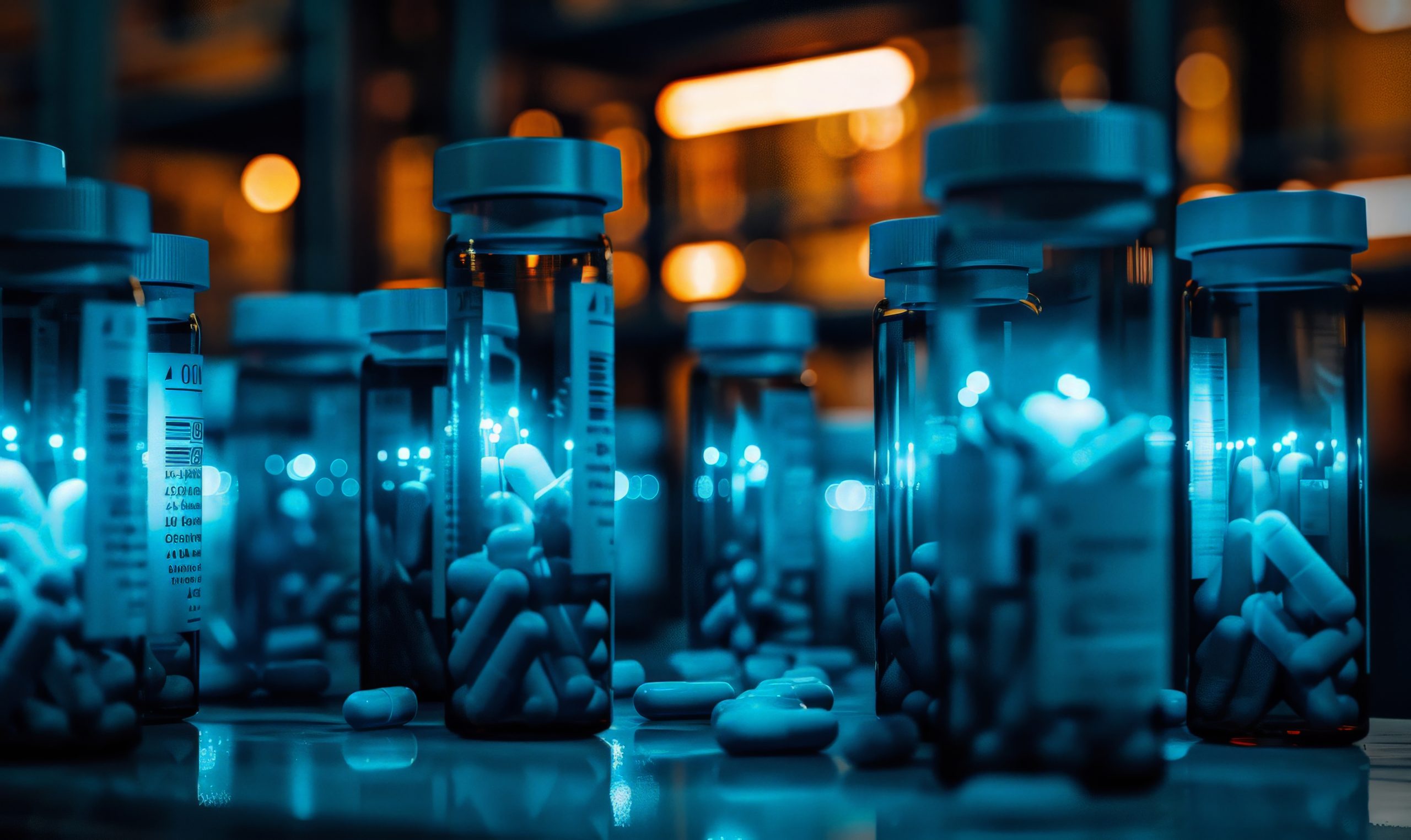
The global pharmaceutical sector is undergoing rapid transformation as governments, researchers, and drug manufacturers race to meet rising demand for affordable, effective medicines. Driven by aging populations, new infectious threats, and widening gaps in global health access, the industry is entering one of its most dynamic periods in decades.
New Treatments Emerge at Record Pace
Drug development pipelines are expanding across the world, particularly in oncology, metabolic diseases, and rare genetic conditions. Major research institutions, including the National Institutes of Health, report a significant rise in clinical trials involving gene-editing therapies, personalized medicines, and immune-targeted treatments.
Biotech firms are increasingly turning to advanced AI models to accelerate molecule discovery, claiming they can now design potential drug candidates in days rather than months. While regulatory review processes remain rigorous, the pace of innovation has undeniably increased.
The Push for Affordable Medicines
Despite scientific progress, access remains a central challenge. Countries across Africa, Southeast Asia, and Latin America continue to face shortages of life-saving medications, from antibiotics to cancer drugs. Organizations such as Doctors Without Borders argue that high prices and supply-chain vulnerabilities leave millions without essential treatment.
Global health experts are urging pharmaceutical companies to adopt tiered pricing strategies and expand licensing agreements that allow low-cost generic production. Some progress has been made, but activists say change is still too slow.
Supply Chains Under Pressure
The pharmaceutical supply chain has become increasingly fragile. Recent disruptions — including geopolitical tensions, raw material shortages, and manufacturing bottlenecks — have exposed vulnerabilities in global drug production networks.
Governments are responding by encouraging domestic manufacturing. The European Medicines Agency has called for stronger regional supply chains to prevent shortages of critical medications such as painkillers and antibiotics. Similar initiatives are emerging in the United States and India.
Vaccines Enter a New Era
Vaccine research is also expanding beyond infectious diseases. Pharmaceutical companies are testing mRNA-based vaccines for conditions such as melanoma, respiratory syncytial virus, and certain autoimmune disorders. The success of mRNA platforms during the pandemic has accelerated investment from both public and private sectors.
Meanwhile, global distribution remains uneven. Lower-income countries still struggle to access newer vaccines, prompting calls for expanded technology-transfer programs and local manufacturing facilities.
Ethical Debates Intensify
As the pharmaceutical sector grows more technologically advanced, ethical questions are gaining prominence. Gene-editing therapies raise concerns about inequality, with fears that only wealthy patients will benefit. AI-driven drug development is also under scrutiny, with regulators demanding transparency in how models make decisions that influence patient safety.
Critics argue that innovation must not outpace ethical governance — particularly as more treatments directly modify human biology.
A Critical Decade Ahead
Pharmaceutical leaders say the next decade will be defined by breakthroughs that could drastically reduce the burden of chronic disease and reshape global health outcomes. Yet achieving true global impact depends on more than scientific progress: affordability, access, and equitable distribution will determine whether medical innovation reaches the people who need it most.
For now, the world stands at a crossroads — with extraordinary medical possibilities on the horizon, and equally significant challenges standing in the way of universal access to care.
