

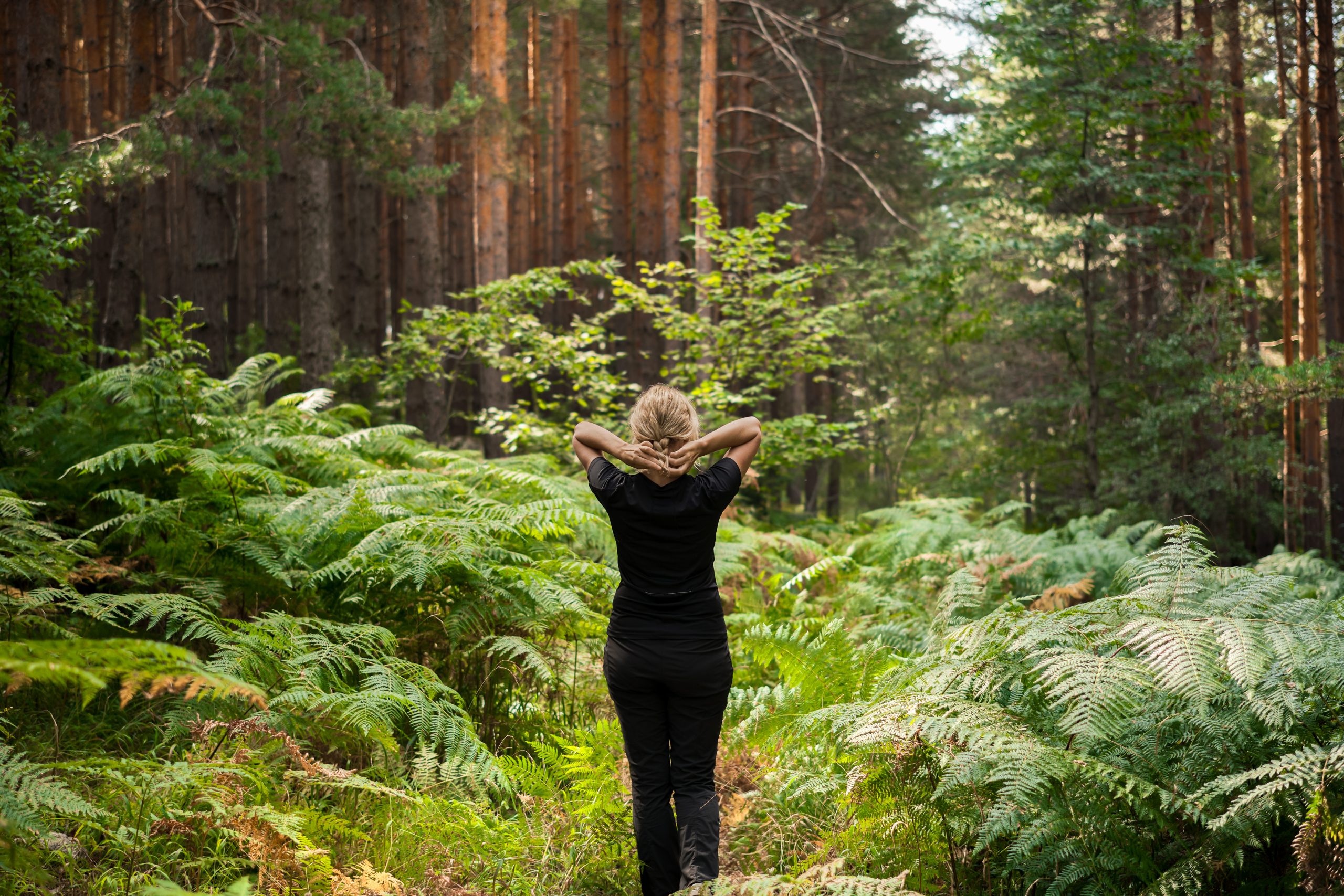
The crisis facing nature is usually described in terms of species loss, habitat destruction and climate pressure. But there is another, quieter dimension to it: access. Recent reporting suggests that in several countries the natural world is becoming not only more fragile, but also more distant from everyday life — fenced off, degraded or transformed into something people can no longer safely or easily experience. That shift matters because societies are less likely to defend nature when contact with it becomes rarer, more unequal and more abstract.
In England, The Guardian reported on 13 March that nearly three-quarters of woods are inaccessible to the public, according to research by Forest Research. The article also said that more than a third of ancient trees listed by the Woodland Trust stand on land that people cannot legally reach. This is not just a question of leisure. Campaigners argue that access to nature affects health, wellbeing and social equality, especially when green space is already unevenly distributed. The implication is that the protection of nature cannot be separated neatly from the politics of who gets to encounter it.
Elsewhere, the problem is not exclusion by ownership but exclusion by ecological collapse. The Guardian reported on 14 March that South Australia’s vast algal bloom, now stretching across 20,000 square kilometres, continues to devastate marine life and has led many people to stop swimming, fishing and spending time on affected beaches. The bloom has killed marine species on a huge scale and imposed not only ecological and economic costs but also a psychological one, as local residents describe grief, stress and respiratory problems.
Taken together, these stories suggest a deeper change in the relationship between people and the natural world. In one case, nature exists but is blocked by legal and private barriers. In the other, it remains physically present but has become damaged enough to repel ordinary human use. Either way, the result is similar: the loss of shared, lived connection. This is an inference drawn from the reporting on inaccessible woodlands in England and the ecological damage along South Australia’s coast.
That matters politically because public support for conservation often rests on familiarity as much as principle. When woods become inaccessible and coastlines become toxic, nature risks turning into something that is defended in theory but missing in practice. The public may still value biodiversity, but its daily experience of the natural world becomes thinner, more mediated and easier to ignore.
In that sense, the struggle over nature is no longer just about preserving landscapes or species. It is also about preserving the conditions under which people can still belong to those landscapes in an ordinary way. A natural world that is protected but unreachable — or reachable but ecologically broken — is a poorer inheritance than governments usually admit.
