

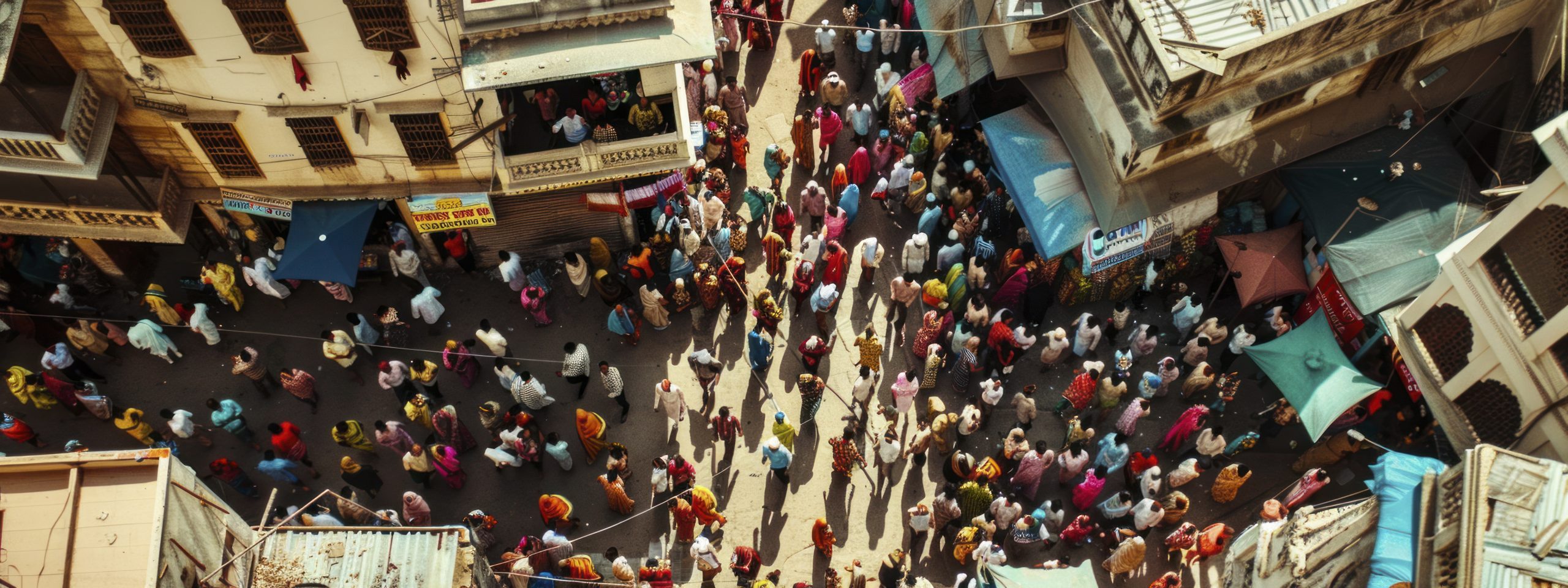
Tens of thousands of people filled the streets of Belém on Saturday, November 15, transforming the Amazonian host city of COP30 into the scene of the largest protest at a UN climate summit in years. As the first week of negotiations dragged on with little progress, Indigenous groups and climate activists marched, chanted and danced under an intense tropical sun, urging governments to break the deadlock. A giant inflatable Earth bounced above the crowds as demonstrators pushed it through the city.
Some participants staged a symbolic funeral for fossil fuels, marching in black and carrying three coffins labelled “coal,” “oil” and “gas.”
The demonstration—named the Great People’s March—was the first major rally outside a COP since Glasgow’s COP26 four years ago. Protests were minimal at the last three summits, which were held in countries known for tight restrictions on demonstrations: Egypt, the United Arab Emirates and Azerbaijan.
Organizers said the Belem march drew around 50,000 people, marking the halfway point of difficult negotiations. It came on the heels of two Indigenous-led disruptions inside the summit earlier in the week.
Calls for justice and deeper accountability
Protesters demanded reparations for damage caused by corporations and governments, especially in communities most affected by climate impacts. “Free Palestine” banners and a large Palestinian flag were also visible throughout the march. One performer, towering on stilts and dressed as a caricatured Uncle Sam, denounced “imperialism,” while other artworks criticized U.S. President Donald Trump for his attacks on climate science and support for fossil fuels.
After a 4.5-kilometre procession, the march concluded several blocks away from the COP30 venue, where soldiers had been deployed to secure the area. The crowd dispersed without incident.
Earlier in the week, tensions had risen inside the summit zone. On Tuesday, Indigenous activists forced their way into the Parque da Cidade COP30 compound—built on a former airport—resulting in brief scuffles that left some security staff with minor injuries. On Friday, dozens of Indigenous protesters again blocked the entrance for nearly two hours to draw attention to threats facing their communities in the Amazon rainforest. High-level officials had to intervene to defuse the situation.
Climate talks at a standstill
Inside the conference centre, COP30 President André Corrêa do Lago acknowledged that the first week of negotiations had produced little movement. He urged diplomats to stop using procedural tactics to delay progress.
“The stakes are too high for us to allow stalled discussions to stand in the way of real action,” he warned. He announced that a summary of parties’ positions would be published on Sunday to guide ministers taking over the talks in the second week.
Countries remained divided over trade-related climate measures and the weakness of current national targets. A major clash is expected over calls for wealthier nations to triple adaptation finance for vulnerable countries.
At the same time, Denmark, the United Kingdom, Kenya and several other countries rallied behind Brazil’s proposal for a global roadmap to advance the phaseout of fossil fuels.
“We’re ready to support them on that roadmap,” said UK Climate Minister Katie White. “We would love to see an outcome on this—but it needs backing from the vast majority of countries.”
Oil-producing states, led by Saudi Arabia, strongly oppose any agreement on fossil fuel phaseout language. Several negotiators told AFP they doubted the proposal would gain unanimous approval at COP30.
